
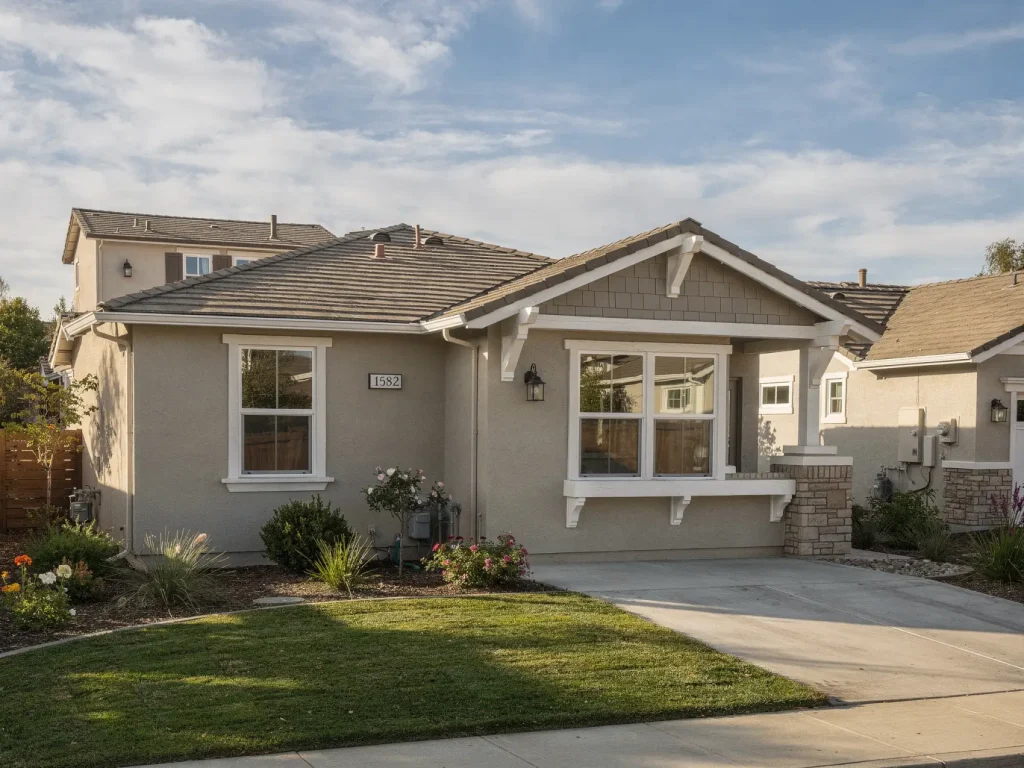
By the team at Amore Quality Painters, serving the Tri-Valley, East Bay, and South Bay.
If you’ve ever looked at your exterior and thought, “Is this charming patina… or is my paint quietly retiring?” you’re not alone. How often should you repaint a house in California? The honest answer is: it depends on your microclimate, your siding, and how good the last paint job was, and California has all the microclimates.
That said, you can get a reliable range, plus some clear signs that tell you when it’s time (and when you can safely wait).
Quick answer: the “most California” repaint timeline
Most California homes need exterior repainting about every 5-10 years. That’s the common baseline you’ll see across pros and major home resources.
But California is a state where you can be in chilly fog by lunch and desert heat by dinner, so your “paint clock” can move faster or slower depending on where you live:
The 5–10 year rule (and when it becomes 3–7)
- 5-10 years is a typical range for exterior paint, especially with decent prep and quality coatings.
- Coastal homes often land closer to 5-7 years, because salt air + fog + wind are basically a paint stress test.
- Wood trim and high-sun sides can need attention sooner (sometimes 3-7 years) because they’re the first to crack, peel, and dry out.
A realistic California timeline table
Here’s a simple “good rule of thumb” chart you can use as a starting point:
| Where you live / what you have | Typical repaint range | Why it changes |
|---|---|---|
| Coastal (fog + salt air) | 5–7 years | Salt + moisture + wind wear coatings faster |
| Mild inland (temperate) | 7–10 years | More stable weather helps paint last |
| Hot inland valleys | 6–9 years | UV and heat bake the surface, fade colors |
| Mountains (snow/rain) | 5–9 years | Moisture + freeze/thaw can cause cracking (varies) |
| Desert | 5–8 years | Intense UV + dust abrasion shorten lifespan |
Keep in mind: these ranges assume the house was properly prepped and painted. If the last job was rushed, cheap, or painted over grime (yep, it happens), you can see failure in just a few years.
California climate cheat sheet: what your house is up against
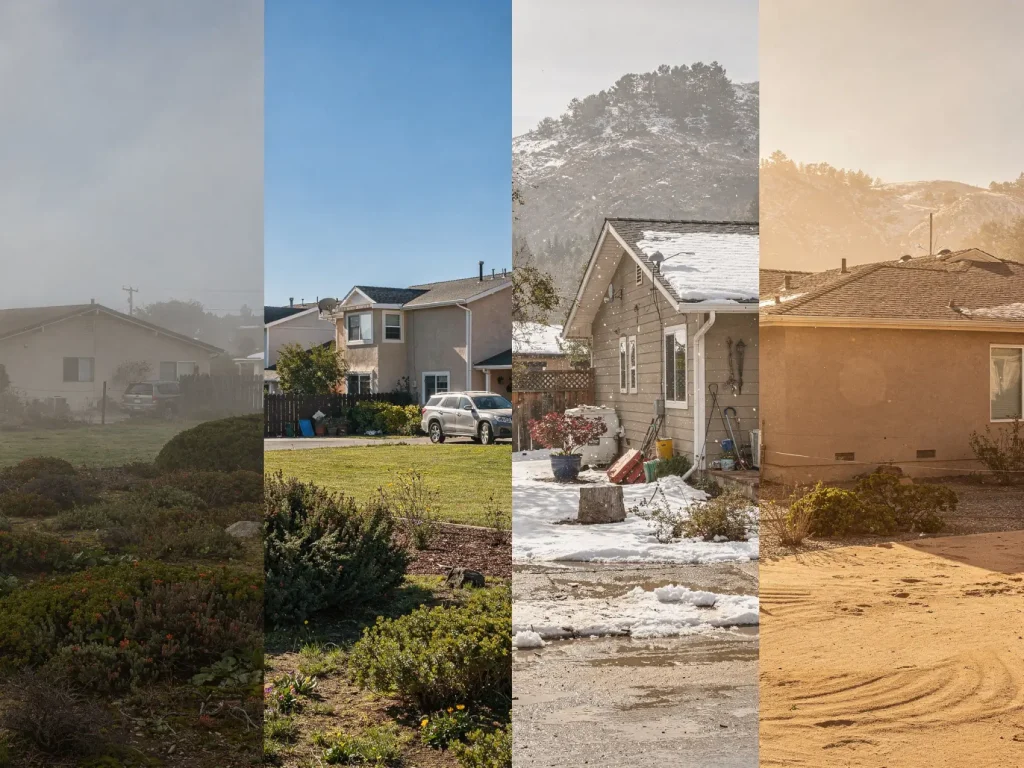
California’s biggest “gotcha” is that your house isn’t just sitting there looking pretty, it’s dealing with a steady stream of weather and environmental stress that paint is meant to absorb.
Coastal fog + salt air
If you’re near the coast, your paint is battling:
- Salt (corrosive and clingy)
- Fog and humidity (moisture stress)
- Wind (drives moisture and grit into surfaces)
That combo can cause paint to fail earlier, and it’s also why coastal painting windows matter: you want steadier temps and lower humidity so the coating cures properly.
Inland heat + UV
Inland areas often deal with:
- High UV exposure
- Big temperature swings (hot days, cooler nights)
- Drying winds
In the East Bay (Walnut Creek, Oakland, San Leandro), wind + moisture can speed up wear more than people expect, especially on exposed trim.
UV is basically nature’s slow-motion sandblaster for color. It fades pigments, dries binders, and speeds up cracking, especially on darker colors and sun-facing walls. Sherwin-Williams notes exterior paint life varies by climate and materials, often around 7–10 years with quality products and proper conditions.
Mountains + snow + freeze/thaw
Not all California is flip-flops and sunshine. In mountain regions, paint can get stressed by:
- Moisture
- Snow
- Freeze/thaw cycles
Water can sneak into tiny cracks, then expand when it freezes, making cracks bigger over time. The result can be peeling, flaking, or that “tired” look even if the color seems fine.
Desert sun + dust
Desert areas add two special ingredients:
- Intense UV
- Dust and grit
Dust can act like mild abrasion, especially on trim and edges. Combine that with blazing sun, and paint can dull and chalk faster than you’d expect.
Your siding decides a lot more than you think
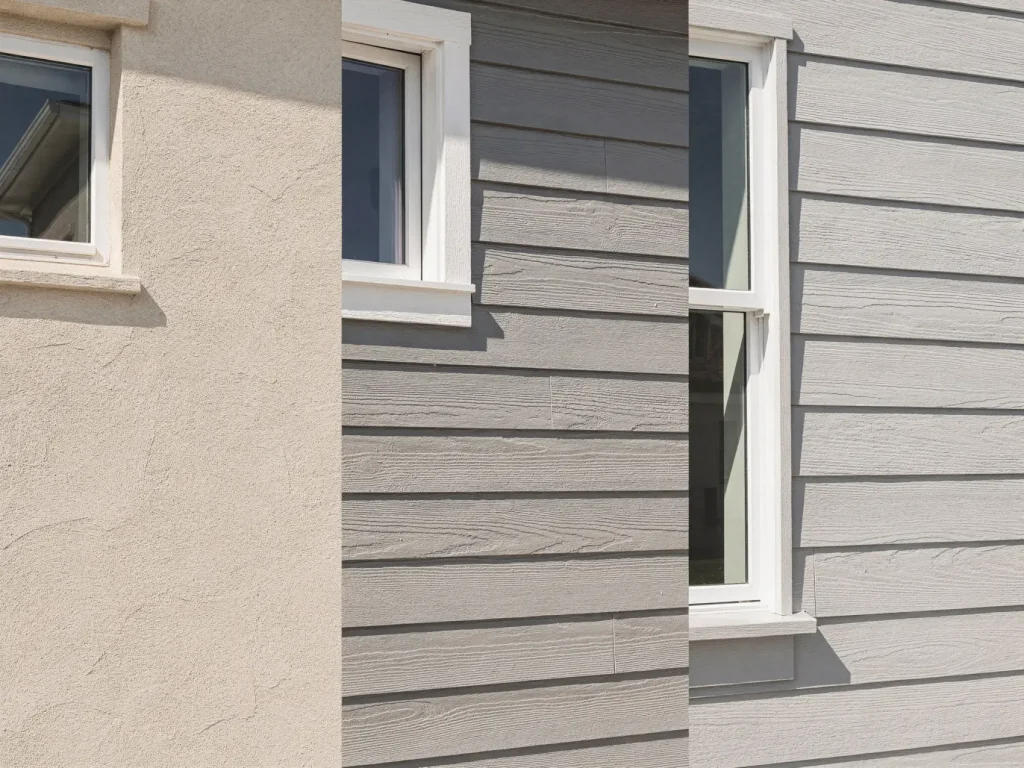
Let’s talk materials, because “repaint every X years” is way too vague without them.
Stucco
Stucco is common in California for good reason, it handles heat well and can last a long time structurally. But paint on stucco still has a lifecycle.
Typical ranges you’ll see: about 7–10 years, sometimes shorter in rough conditions.
Stucco-specific tip:
If you see hairline cracking or chalking (white powder on your hand when you rub the wall), don’t just paint over it and hope for the best. Clean, repair, and prime properly, otherwise the new paint just inherits the old problems.
Wood siding & trim
Wood tends to need repainting sooner because it:
- Expands and contracts
- Holds moisture differently
- Has seams and edges where failure starts
Wood siding commonly lands around 5–7 years (sometimes up to 10 with great prep and mild weather).
Trim often needs attention first, even if siding still looks okay, because trim gets more sun angles, more water runoff, and more wear.
Fiber cement
Fiber cement can go longer, often around 10–12 years depending on the product, prep, and exposure.
It’s durable, but the “magic” is still in the prep and coating choice.
Brick, metal, and other surfaces
Painted brick can last longer (sometimes 10–15 years) because the substrate is stable, again, assuming correct prep and appropriate paint.
Metal needs the right primer (rust control), and coastal metal especially needs extra care because salt accelerates corrosion.
Paint color and sheen: yes, it matters
This is the part where people get surprised, but it’s true: your color choice can change how often you repaint.
Dark vs light colors in CA sun
Dark colors absorb more heat. More heat means more expansion/contraction stress and faster fading, especially on walls that get hammered by afternoon sun.
If you love darker colors, you can still do them, just accept that:
- You may repaint sooner, or
- You’ll need a higher-quality paint system (and better prep) to keep it looking sharp.
Flat, satin, and semi-gloss outside
- Flat/matte hides imperfections but can show dirt and wear sooner.
- Satin/eggshell is often the sweet spot for siding: easier to clean, still not too shiny.
- Semi-gloss/gloss is usually best for trim/doors where durability matters.
Prep work: the boring step that saves you years
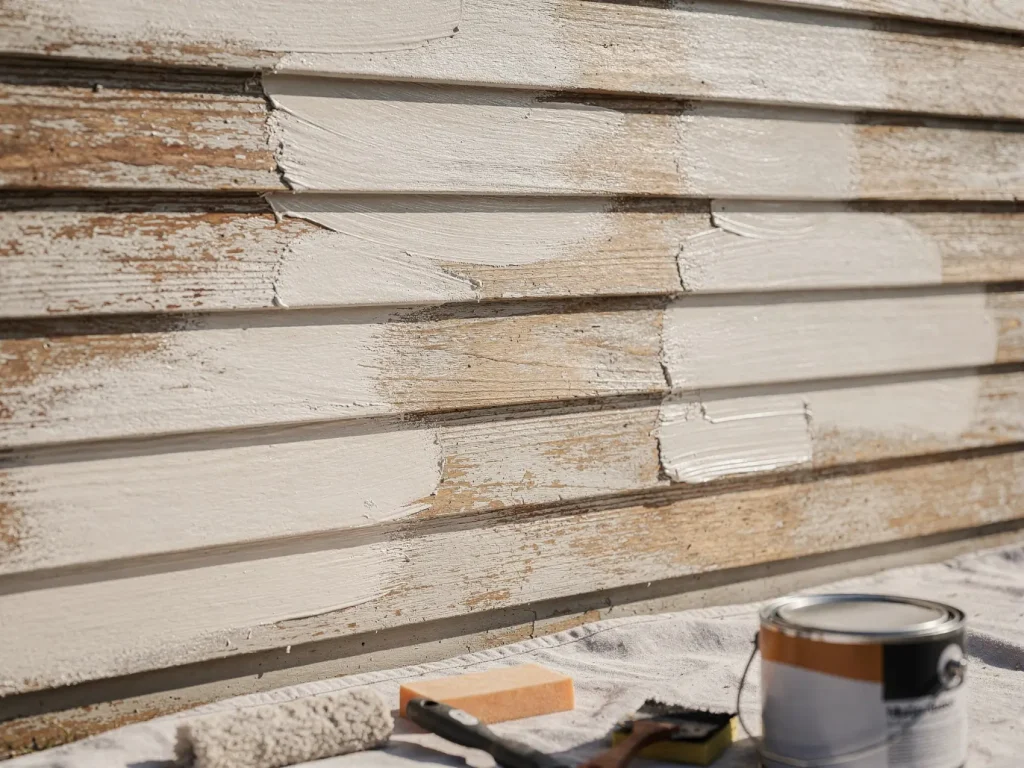
If you want the most human, non-salesy truth in this whole article, it’s this:
A paint job isn’t really “paint.” It’s prep + paint.
Consumer Reports has long emphasized that avoiding shortcuts and doing proper preparation is key to an exterior paint job that lasts.
What “good prep” actually looks like
Here’s a homeowner-friendly checklist of what a solid crew (or a careful DIYer) typically does:
- Wash the exterior (remove chalking, dirt, mildew)
- Scrape loose paint
- Sand feather edges (so you don’t see ridges forever)
- Repair damaged wood or stucco cracks
- Caulk gaps around trim and joints
- Prime bare spots (and problem areas)
- Use the right paint for the surface and exposure
If your last paint job skipped steps, that’s often why you’re repainting “too soon.”
Signs it’s time, before your house starts shedding paint confetti
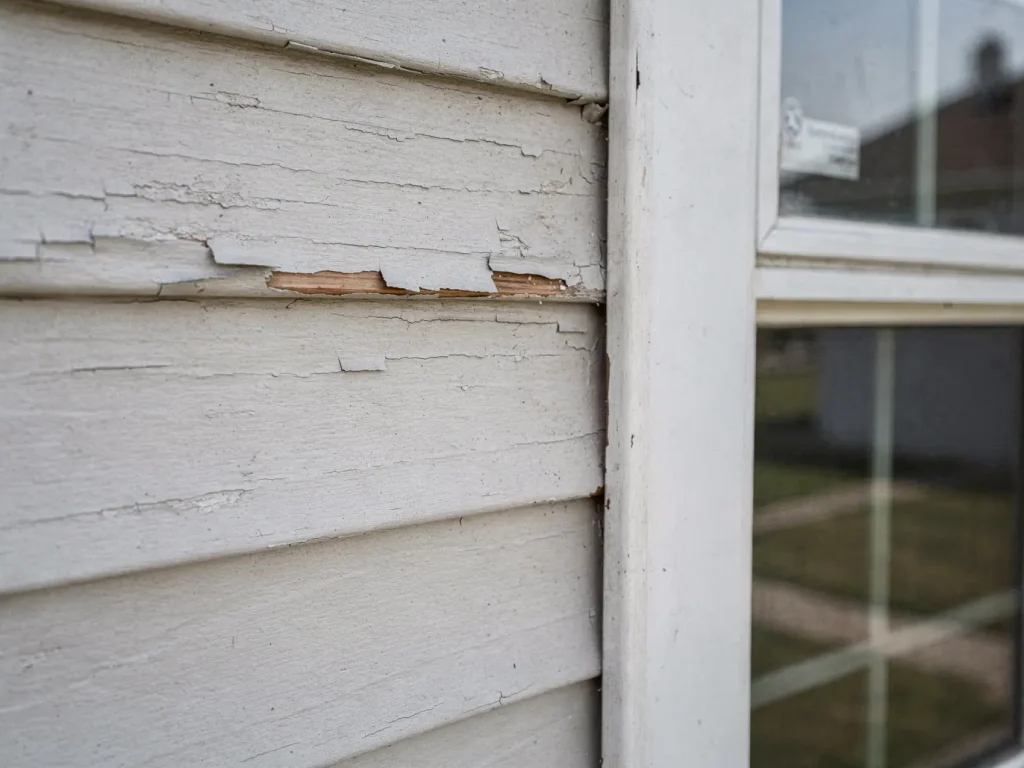
You don’t have to guess. Paint gives pretty clear signals.
Chalking
Rub your hand on the wall. If you get a dusty, chalky residue, the coating is breaking down. It might not be an emergency, but it’s a sign you’re approaching repaint time.
Fading
Fading is usually UV-driven. It’s often cosmetic at first, but heavy fading can hint the protective layer is weakening.
Peeling or flaking
Peeling is the big one. Once paint is peeling, it’s no longer protecting the surface properly, especially wood.
Bubbling or blistering
This can mean moisture is trapped under the paint. If you paint over it without fixing the moisture source, it’ll come right back (sometimes faster).
Cracks and substrate damage
Cracking stucco, soft wood, or water-stained areas should be repaired before repainting, otherwise you’re basically putting a fresh outfit on a leaky roof. (Cute outfit, though.)
How to stretch your paint job (without babying your house)
Want to repaint less often? Here are the low-effort wins.
Annual wash + small touch-ups
A simple exterior wash (gentle, not “pressure-washer-as-a-weapon”) can remove grime and mildew that shorten paint life.
Touch up small exposed spots early, especially on trim and sun-facing edges.
Control water like it’s your job
Paint hates chronic moisture. Check:
- Gutters and downspouts (are they dumping water on siding?)
- Sprinklers (are they spraying the house daily?)
- Soil level against stucco (too high can cause deterioration at the base)
Best time of year to paint in California
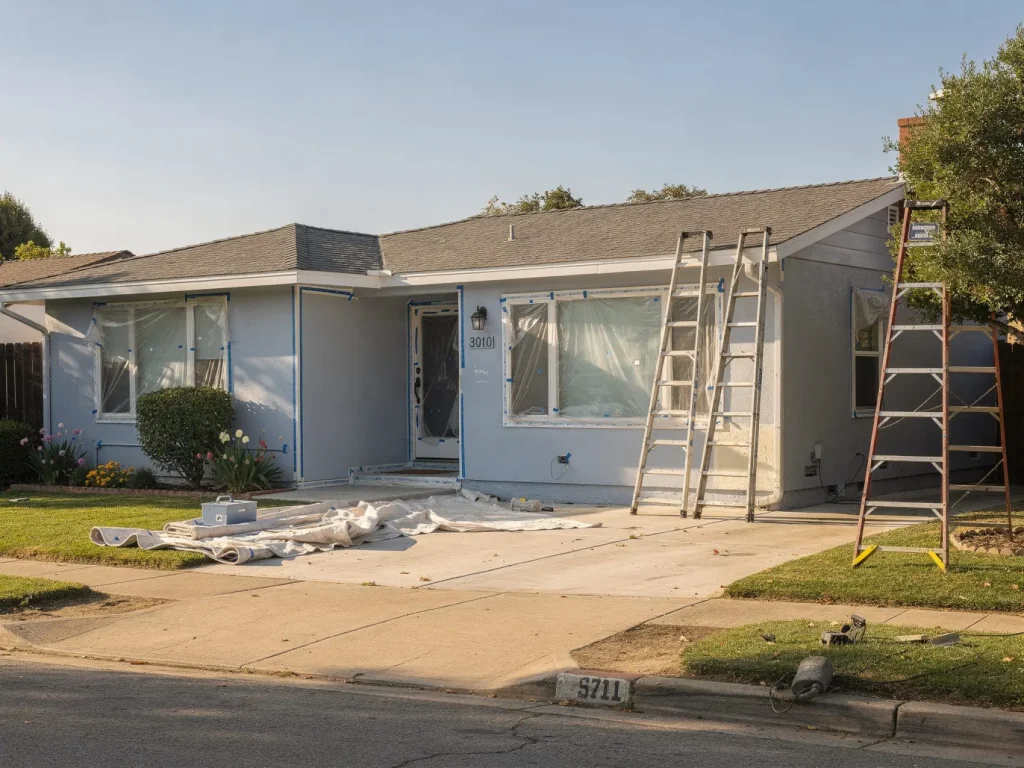
California is blessed with longer painting seasons than many states, but timing still matters, especially near the coast.
Coastal climates benefit from painting during periods with steadier temperatures and lower humidity, since moisture and wind-driven salt can increase failure risk.
General tip:
Aim for a stretch where temperatures are mild and stable and you’re not painting right before a rainy period (or during heavy marine layer weeks if you’re coastal).
California paint rules: VOC limits and why your painter cares
In California, you can’t just pick any old bucket of paint off the shelf and call it a day. VOC rules (volatile organic compounds) help reduce air pollution, and they affect which products are sold/used depending on the region.
- CARB (California Air Resources Board) plays an oversight/support role for architectural coatings, while local air districts often handle the primary rules.
- In areas under South Coast AQMD (big parts of Southern California), rules like Rule 1113 set VOC standards for architectural coatings.
This doesn’t mean you can’t get durable paint, it just means your painter needs to choose products that comply locally and still match your surface and climate.
(Also: if a contractor seems totally unaware of VOC rules, that’s… a yellow flag.)
DIY vs hiring a pro (and when DIY gets risky)
DIY painting can be totally doable for a single-story home with easy access and minimal repairs. But there are a few moments when hiring a pro is the safer (and sometimes cheaper) option long-term:
- Tall or steep roofs (fall risk)
- Lots of peeling (prep takes ages)
- Stucco repair needs
- Extensive wood rot
- You want a warranty and consistent finish
Lead paint basics for older homes
If your home was built before 1978, lead-based paint is a real consideration. EPA guidance notes that renovation/repair/painting projects that disturb lead-based paint in pre-1978 housing can create dangerous lead dust, and paid contractors generally must follow lead-safe requirements and certification rules.
Even if you DIY, it’s worth reading lead-safe guidance and taking precautions, especially if kids are around.
HOAs, historic homes, and “why can’t I paint it teal?”
If you’re in an HOA, check the rules before you buy paint. Some HOAs require:
- Approved color palettes
- Approved sheen levels
- Specific trim/body combinations
Historic districts can be even stricter, sometimes requiring review or historically appropriate colors. Annoying? Sometimes. But it can also protect the neighborhood vibe (and your resale value).
A simple repaint decision checklist
If you want the quick “make the call” method, use this:
- Rub test: chalking on your hand?
- Look at sun-facing sides: do they look worse than the rest?
- Check trim and edges: first places to fail
- Scan for peeling/blistering: active failure = repaint sooner
- Inspect for moisture issues: fix before painting
- Count the years since last repaint: compare to your region/material range
If you hit 3+ “yes” answers, it’s probably time to plan the project.
FAQs
1) What’s the average repaint schedule in California?
A common average is every 5–10 years, depending on your climate, surface, and prep quality.
2) Do coastal homes in California need repainting more often?
Usually, yes. Salt air, fog, and wind are rough on coatings, and coastal homes often repaint closer to 5-7 years.
3) What lasts longer: stucco or wood?
Paint on stucco often lasts longer than wood siding on average, but both vary widely with prep and exposure.
4) Can I just paint over old paint if it’s not peeling?
Sometimes, but you still need proper cleaning and prep. Skipping prep is a common reason paint fails early.
5) What’s the biggest sign I shouldn’t wait?
Peeling, flaking, or bubbling, those are signs the protective layer is failing, especially on wood.
6) Are there special paint rules in California?
Yes. VOC rules are handled through CARB guidance and local air districts, and regions like South Coast AQMD have specific architectural coating rules (like Rule 1113).
7) What if my house was built before 1978?
Treat it as a lead-paint risk until proven otherwise. EPA guidance explains that paid work disturbing paint in pre-1978 housing generally requires lead-safe practices and certification.
Conclusion
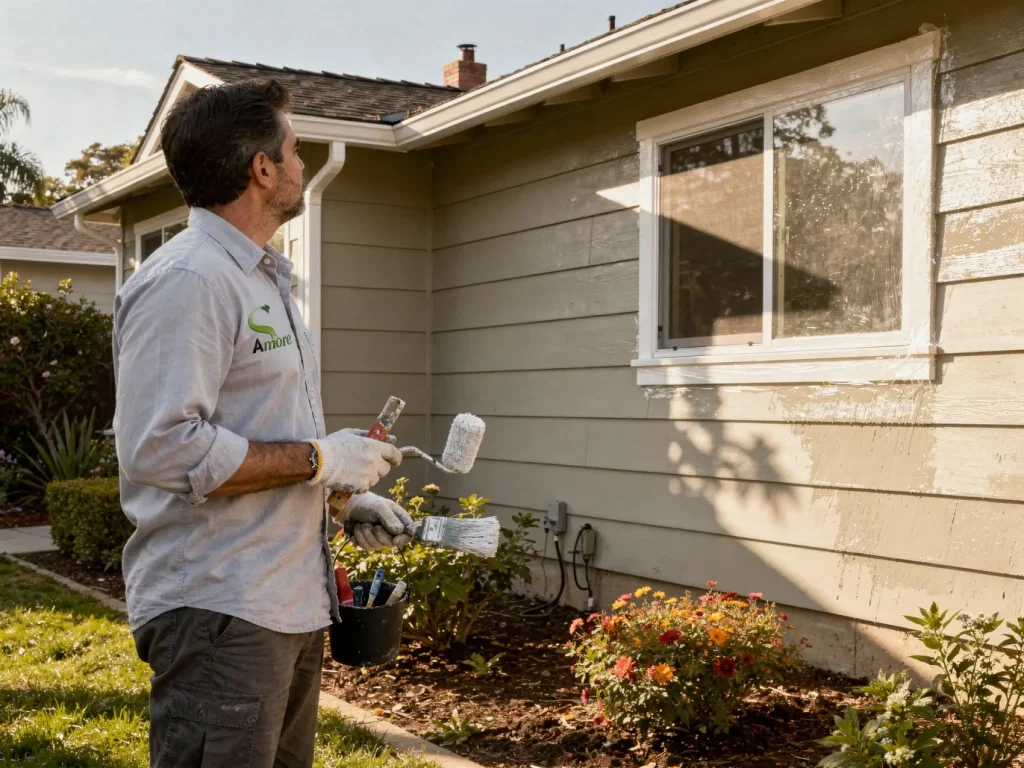
So, How often should you repaint a house in California? Most of the time, you’re looking at 5-10 years, but your real answer depends on where you live (coast vs inland vs desert), what your house is made of, and whether the last paint job was done with “careful prep” energy or “we’ll just roll over it” energy.
If you remember one thing: paint early, not late. Repainting before major peeling starts is usually cheaper, easier, and way less stressful than waiting until your home starts flaking like a croissant.
If you’re in the Tri-Valley, East Bay, or South Bay and want a quick second opinion on timing (or a repaint quote), you can grab a free estimate from Amore Quality Painters.


The shaded wall thing is real. That side of ours is always the problem
We are planning exterior paint and this gave me a few questions to ask
I like September for this. Warm but not usually miserable
If you live near fog, the morning start time matters a lot
I always thought painters delayed because they were busy. Sometimes it really is the weather
This makes sense. Paint is too expensive to rush the weather
The best month is probably whatever month gives you a boring dry week
Not all painters explain this, so its nice to know what to ask
Good info. I need to ask the painter about the west-facing wall
We did ours in April and got lucky, but I was watching the forecast the whole time
I am in the East Bay and summer afternoon heat is serious
Early fall sounds like the least annoying option
This sounds exactly like why our old paint bubbled near the windows
I would not have thought a sunny day after rain could still be a problem
The article is right. Bay Area painting is not one-size-fits-all
Our house has one side under trees and it takes forever to dry
Good reminder to ask about curing time, not just how many days the job takes
Damp mornings are sneaky. Everything looks fine from inside
We need trim done and I might wait until September now
If the crew knows the area, they probably schedule around this stuff already
This is making me rethink doing it in peak summer
The coast is tricky. Fog in the morning, sun in the afternoon, damp again by night
I did not expect wall temperature to matter but now it seems obvious
The HOA approval part is too accurate. Ours took 3 weeks for beige
I guess the best time is when the weather is boring for a few days
This would have saved me some confusion when getting quotes last year
My parents painted in August and it worked, but they had a really careful crew
We painted in June and it was fine but the crew avoided the sunny wall until later
The weather window is the whole game apparently
I always forget that shade can be a problem too, not just heat
Good call on not rushing before rainy season. Everyone tries to squeeze it in
The local weather part matters. My friend in Daly City has totally different issues than me
This explains why some painters wont start even when the customer wants them to
I wouldnt risk exterior paint in a wet week. Too expensive to gamble
We had a fence stained too soon after rain and it looked blotchy
My siding looks dry before noon but if you touch it early it is still damp
The surface temp thing is new to me. Makes sense though
I think fall is underrated for house projects in general
This feels like practical homeowner advice, not just generic paint tips
Spring booking fills up crazy fast. Learned that the hard way
I am glad winter was mentioned for interiors. Thats probably when we will do bedrooms
The fog part is very accurate. It can be sunny and still damp somehow
Good point about inland heat. East Bay summer is not gentle
Our last painter checked the siding before starting. I get why now
I would rather have them delay than paint over damp wood
No rain is not enough apparently. Good to know
This helped. I was just going to ask for the soonest date
The garage side of our house gets destroyed by sun. I never connected it to paint timing
I always hear spring and summer, but fall seems better honestly
We are closer to the bay and everything stays damp in the morning
The weather here is fake simple. Looks easy but every neighborhood is different
This makes me want to ask painters what time of day they start
The shady side of my house grows mildew faster too, so this tracks
I didnt know direct sunlight could mess with the finish
The article is right about calling early. I waited and got pushed back forever
We waited until the forecast had like 5 dry days. Glad we did
If I had to pick, Id choose fall. Less chaos
The cool night thing is interesting. Bay Area days and nights can be totally different
Our painter used a moisture meter and I thought he was being extra. Guess not
Good reminder that sunny doesnt always mean dry
I am in Castro Valley and mornings stay damp longer than people think
Interior in winter makes sense because at least you can control the house temp
Spring rain can sneak back in too. I would be nervous booking too early
This is the kind of thing I wish contractors explained before the estimate
I wonder how many bad paint jobs are just bad timing and not bad paint
My garage wall faces west and gets roasted. I should mention that when getting quotes
We painted in late September and it was honestly perfect weather
This is useful. I always assumed paint season was just summer
The HOA note got me. They really do take forever for a simple color
I would not do winter exterior unless it was a really dry stretch
Foggy mornings near the water are no joke
The painter we used started early and wrapped before the hot part. Makes sense now
I have a stucco house and never thought about how hot the wall itself gets
This is good timing info without making it too technical
Our trim gets direct sun all afternoon. That probably explains the cracking
I was about to book for July. Maybe I should ask about the sun side first
The funny thing is the Bay Area looks mild but has all these little weather problems
September or early October would be my pick
This sounds like one of those things where local experience matters a lot
I didnt realize paint could fail from being put on when the surface is damp
If a painter says they need to push it because of weather I guess I should not argue
The shady side comment is real. North side of our house is always last to dry
We had to wait for HOA colors too. That was longer than the job
Spring is fine but I hate scheduling anything in spring. Everyone is busy
I like that it mentions different parts of the Bay. Fremont and Pacifica are not the same weather
This makes exterior painting sound less random than I thought
Good to know about morning dew. I always forget that counts as moisture
My uncle painted a rental after one dry day and it did not hold up great
The winter interior idea is actually smart. Never thought of splitting it like that
I would rather book in fall than fight everyone in spring
Summer sounds good until you touch the wall at 3pm
We are in Oakland and the weather changes depending what side of the house youre on
A few dry days in a row seems like the main thing
This is pretty much what our painter told us, just less rushed
I have seen paint peel on trim and now I wonder if it was from bad timing
The fog is why I would not trust a generic painting calendar for this area
Our back fence stayed damp even when the patio was dry. Didnt think about that
I thought October was too late but maybe not around here
Calling early is the real advice. The good crews disappear fast
The direct sun part makes sense. Our front door gets hot to the touch
I still think September is the best Bay Area month for almost anything outside
We got lucky doing ours in May. No rain for a week and it looked clean
This explains why painters always stare at the forecast like weather people
I had no idea siding could hold moisture that long after rain
Good reminder to check more than just the high temp for the day
I live closer to the hills and shade makes a big difference here
Paint drying too fast sounds like one of those problems you dont notice until later
Early fall is probably what we will do. Summer is already too packed
My neighbor painted in spring and had to pause twice because of foggy mornings
I would ask about surface temp now. Never would have asked that before
The article makes sense. Bay Area weather sounds easy until you actually plan something
We did interior painting in January and honestly it was fine. Exterior would be different tho
This is helpful but also makes me realize I should have called two months ago
Our old house had one wall that never dried fast. That side always looked worse
I always thought if it wasnt raining you were good. Guess not
The HOA thing is what scares me more than the weather lol
Spring is nice but trying to get on a schedule then is a pain
I am in Livermore and July on stucco is brutal. You can feel the heat coming off it
This makes me wonder if our last painter rushed it after a damp morning
We painted our fence too late in the day once and it dried kind of weird
I would rather wait a week than pay for paint twice
The coastal fog part is too real. You wake up and everything outside feels wet
I didnt know curing was different than just drying
September feels like the sweet spot to me. Less rain stress and not as crazy hot
My place in Hayward gets damp on one side even when the street looks dry
Good point about cool nights. It can be warm in the day here and still chilly by dinner
We had painters start on the back of the house first because the front gets full sun. Makes more sense now
This is why I keep putting off our exterior. Timing it feels like a whole project by itself
South Bay afternoons get hot fast. I can see why painters dont want direct sun all day
I always figured summer was safest. Didnt think about the paint drying too fast
Our neighbor painted in October and it came out good. I thought that was late but maybe not
Not me reading this after already picking colors with the HOA
I got quoted in June and they couldnt start until August, so yeah call early
Honestly the hardest part is finding a painter who actually shows up when they say they will
The shady side of our house dries so much slower. Never connected that to painting before
My dad painted trim in July and it looked fine, but he started super early and stopped before it got hot
We are near the coast and morning fog ruins everything. Even our deck stays damp forever
Wait so if the siding feels dry but it rained yesterday, thats still a bad idea?
Id probably still do September tbh. Spring is nice but everyone is trying to book then
HOA approval took us almost a month. The painting itself was like 3 days
This explains why our garage side peeled first. That wall gets cooked after 2pm
Fremont weather is weird. It says 72 and sunny but one side of the house is still wet till lunch
We did ours in May and the painter pushed it back two days because the mornings were still damp. I was annoyed but ok fair
lol I always thought paint just needed no rain. didnt know the actual wall temp mattered