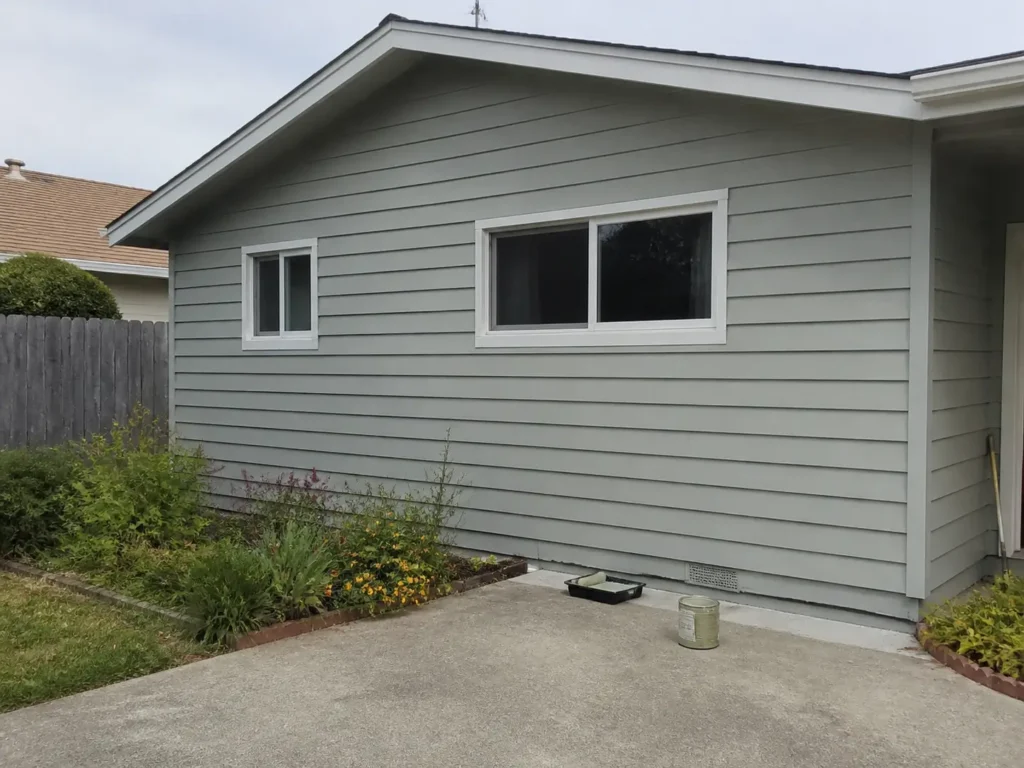
Yes, you can paint vinyl siding. Paint can refresh a faded exterior, cover a tired color, and buy time before replacement. But vinyl is less forgiving than wood or stucco. The wrong coating can trap too much heat, warp the panels, or peel early.
The condition of the siding matters just as much as the paint. If the panels are cracked, brittle, loose, or badly buckled, paint will only make damaged siding look newer for a while. Sound siding, careful prep, and a vinyl-safe coating are what make this project work.
When painting vinyl siding makes sense
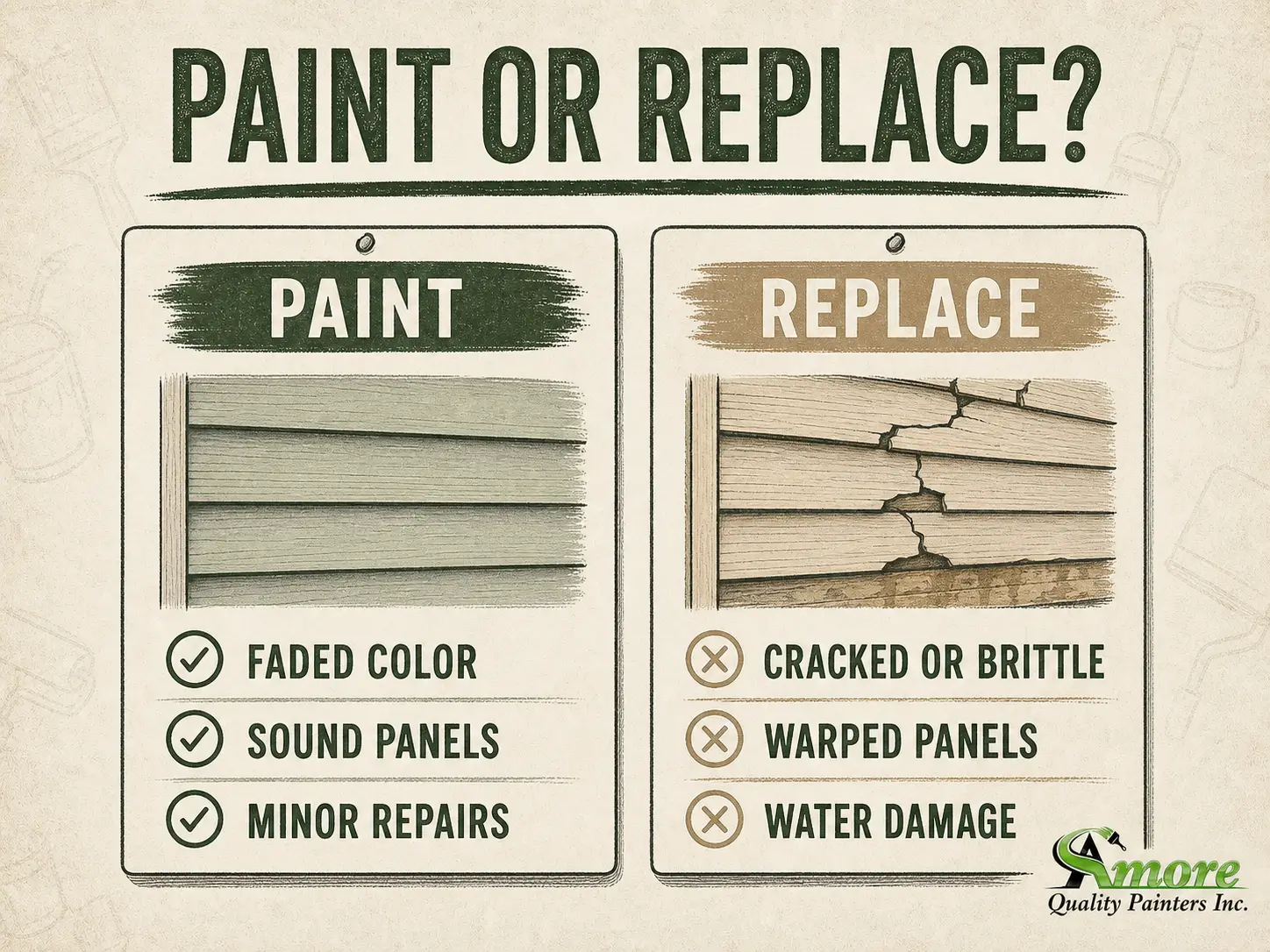
Painting is worth considering when the siding still works but no longer looks good. Maybe it has faded unevenly or the old color dates the house. Paint changes the appearance without removing every panel.
Start with a close look at the siding. It should still lie flat and move slightly from side to side where the panels overlap. Vinyl expands and contracts as temperatures change, so it cannot be nailed rigidly to the wall. Paint will not fix poor installation or panels that have already distorted.
Painting may be a reasonable choice if:
- The siding is firmly attached and generally flat.
- The surface is faded or chalky but not crumbling.
- Small damaged sections can be replaced before painting.
- You want a new color but do not need new insulation or a different siding profile.
- The manufacturer permits painting under its warranty terms.
That last point is easy to miss. The Polymeric Exterior Products Association recommends checking with the siding manufacturer because painting may affect the product warranty. Look up the brand and product line if you can identify them, especially on newer siding.
When replacement is the better call
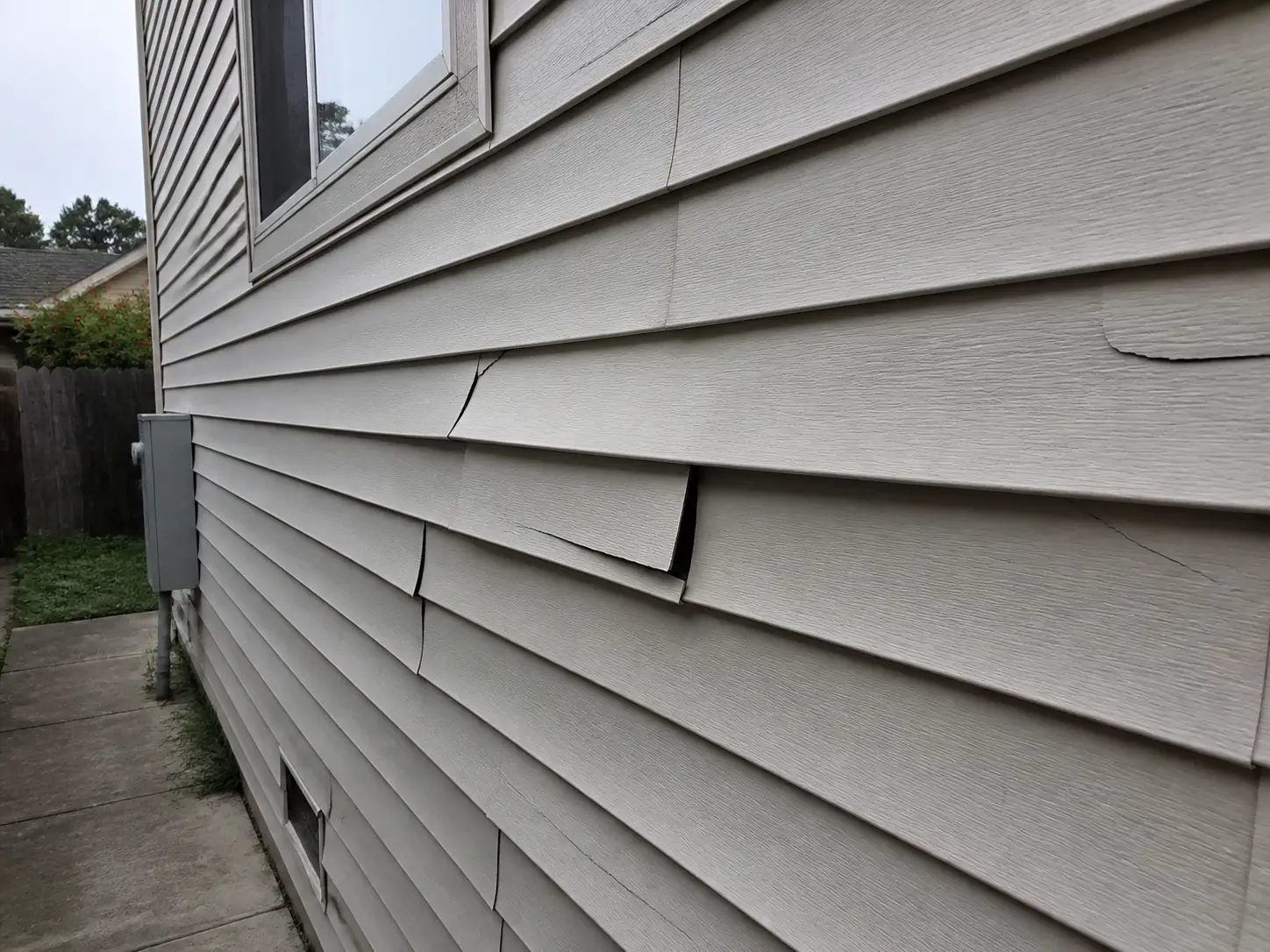
Paint is cosmetic. It does not restore strength to brittle vinyl, stop water that is getting behind the wall, or correct panels that were installed too tightly.
Replacement deserves a serious look when you find widespread cracking, severe warping, repeated loose panels, or moisture beneath the siding. It may also make more sense if you want to add insulation or change the cladding style.
A few isolated repairs do not rule out painting. If replacement pieces are needed across the whole house or panels crack during routine handling, paying for paint may be a poor use of the budget.
What kind of paint works on vinyl siding?
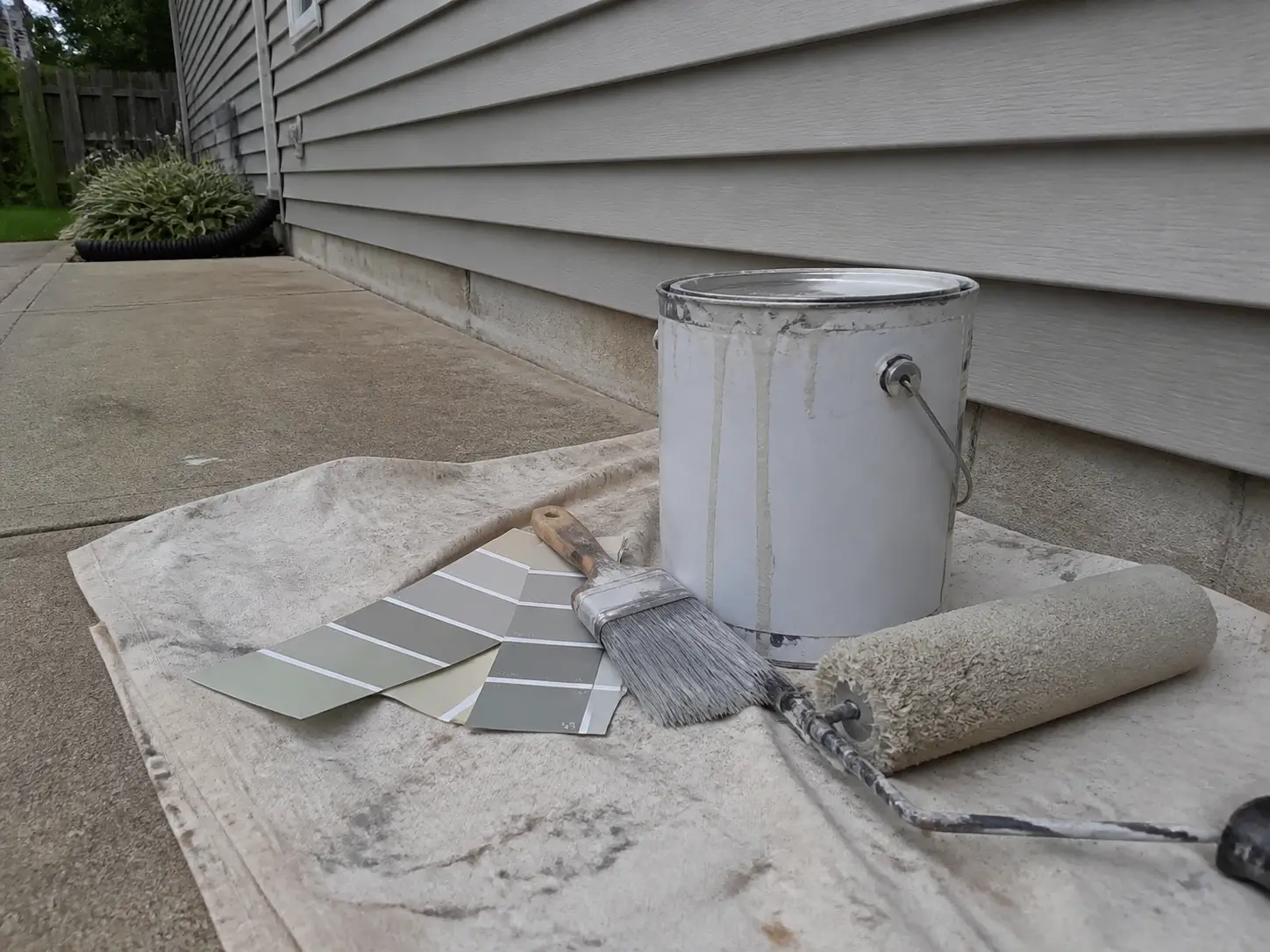
Use exterior acrylic latex paint that the manufacturer approves for vinyl. Acrylic coatings can flex with the siding as it moves through hot afternoons and cool nights. Oil-based coatings are a poor match because they do not have the same flexibility.
Do not assume every can labeled “exterior” is suitable. Check the product data sheet for vinyl as an approved surface, then follow its application limits. Sherwin-Williams, for example, lists several exterior acrylic products with VinylSafe colors. Benjamin Moore also publishes a vinyl siding painting guide with compatible exterior lines and preparation instructions.
Primer is not always required. On clean, sound vinyl, many compatible exterior paints are self-priming. A primer may be needed on pitted or porous areas, stubborn stains, repairs, or surfaces specified by the coating manufacturer. Follow the system on the label rather than mixing products based on guesswork.
Can you paint vinyl siding a darker color?
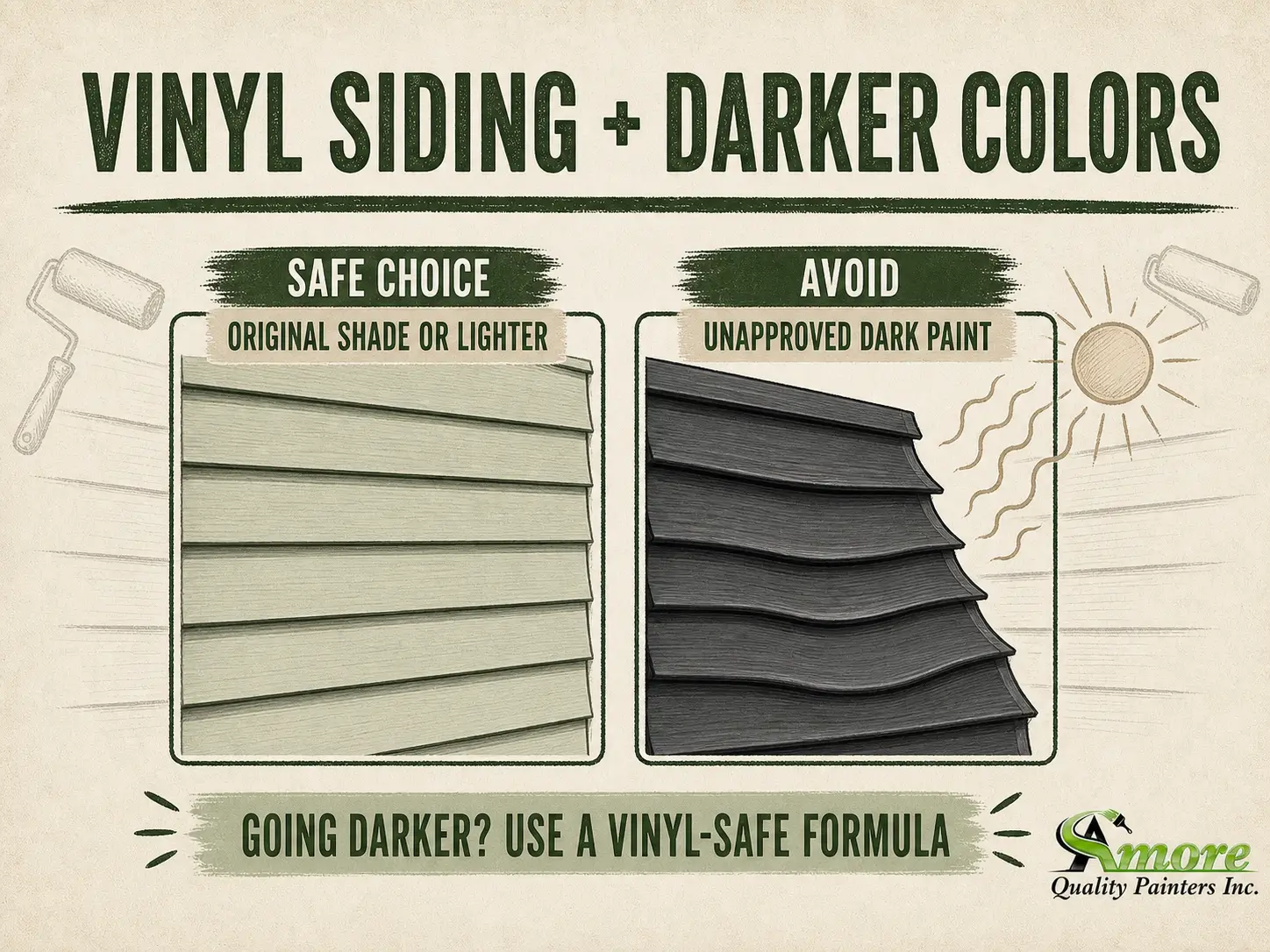
Sometimes, but this is the part of the project where shortcuts get expensive.
Dark colors absorb more solar heat than light colors. On standard vinyl, that extra heat can make panels expand beyond their intended range and buckle. The safest traditional rule is to stay at the original color or choose something lighter.
Some manufacturers now offer darker colors formulated for vinyl. These products use color technology intended to limit heat buildup on sound, stable siding. A dark shade is only an option if both the specific paint line and the selected formula are approved for vinyl. A color that looks identical on a paper swatch may behave differently if it is mixed in the wrong base.
A jump from cream to charcoal may look great in a rendering but expose mismatches around replacement panels and utility boxes. Test the approved color in an inconspicuous spot and view it in morning and afternoon light.
How to prepare vinyl siding for paint
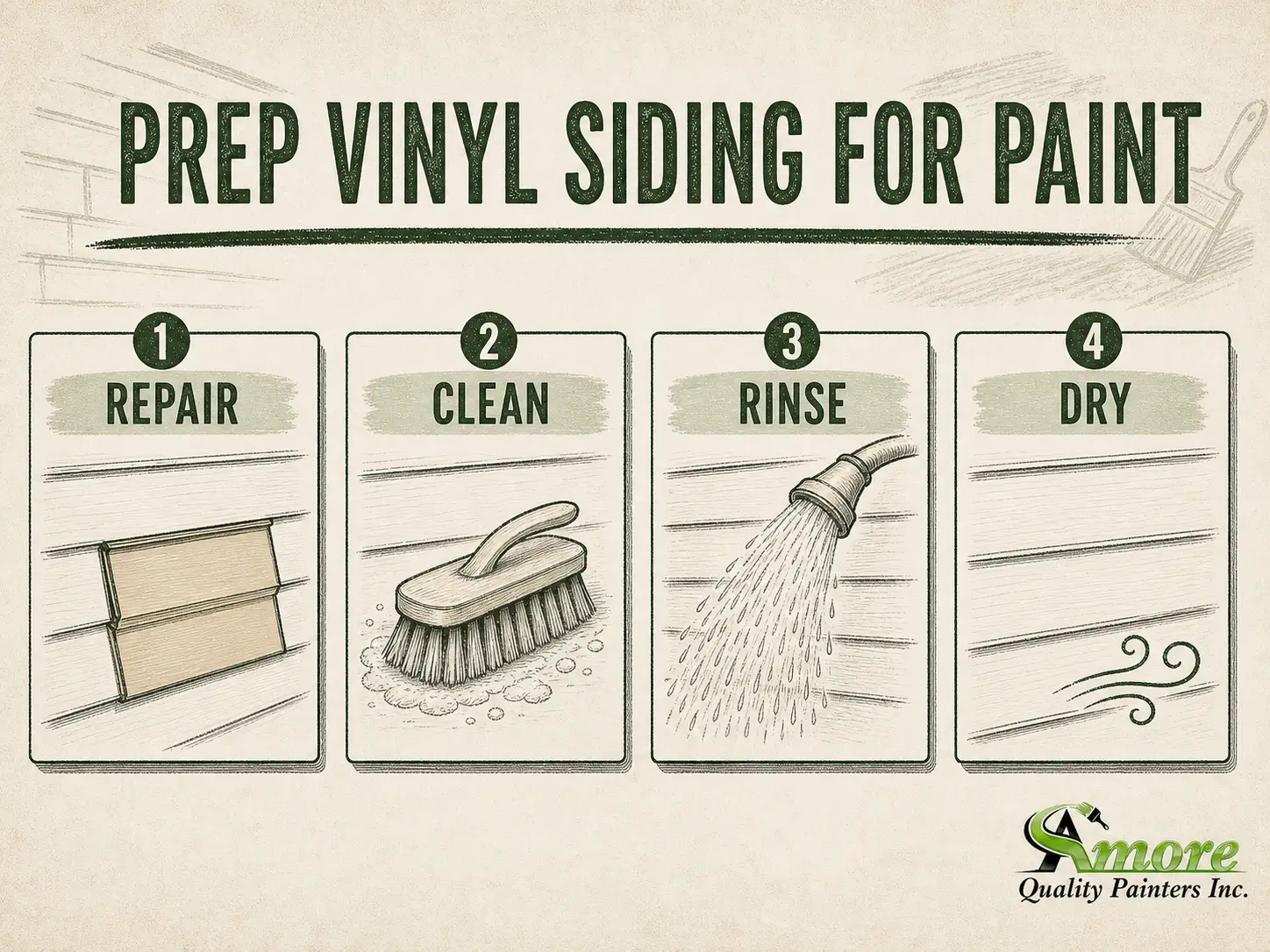
Many paint failures start before the first coat goes on. Siding collects chalk, dust, mildew, and grime. Paint laid over that film sticks to the dirt instead of the vinyl.
Inspect and repair first
Walk around the house and check for loose panels, cracks, warped sections, open seams, and failed trim details. Repair the source of any moisture problem before coating the wall. Make sure the siding can still move at its fasteners. Do not caulk the horizontal overlaps or drainage openings that let the wall shed water.
Wash without forcing water behind the panels
Use a siding cleaner that is compatible with vinyl, a soft brush where needed, and a thorough rinse. A pressure washer can speed up the job, but aggressive pressure can mark the surface or drive water behind laps, vents, doors, and windows. Aim the spray downward and keep enough distance to clean without cutting into the material.
The siding must dry before painting. Damp seams can release water after the coating goes on, which makes adhesion problems much more likely.
Protect everything that should stay unpainted
Mask windows, light fixtures, outlets, meters, roofing edges, plants, and hardscape. Pay attention to utility penetrations and the narrow channels around doors and windows. A clean exterior paint job depends on the boring setup work that nobody notices after it is done.
How vinyl siding should be painted
Vinyl can be sprayed, rolled, or brushed. Spraying is efficient on broad walls but takes careful masking and steady technique. Brushing and rolling work well on smaller homes or detailed areas.
Whichever method you use, apply an even coat without flooding the seams. Work from the top down and maintain a wet edge so lap marks do not stack up across the wall. Do not seal the panel overlaps together with a heavy buildup of paint. The siding still needs room to move.
Two coats are common for an even exterior finish, but use the coat count and recoat time printed on the product. Those directions vary by paint line and weather.
Pick the right day, not just a free weekend
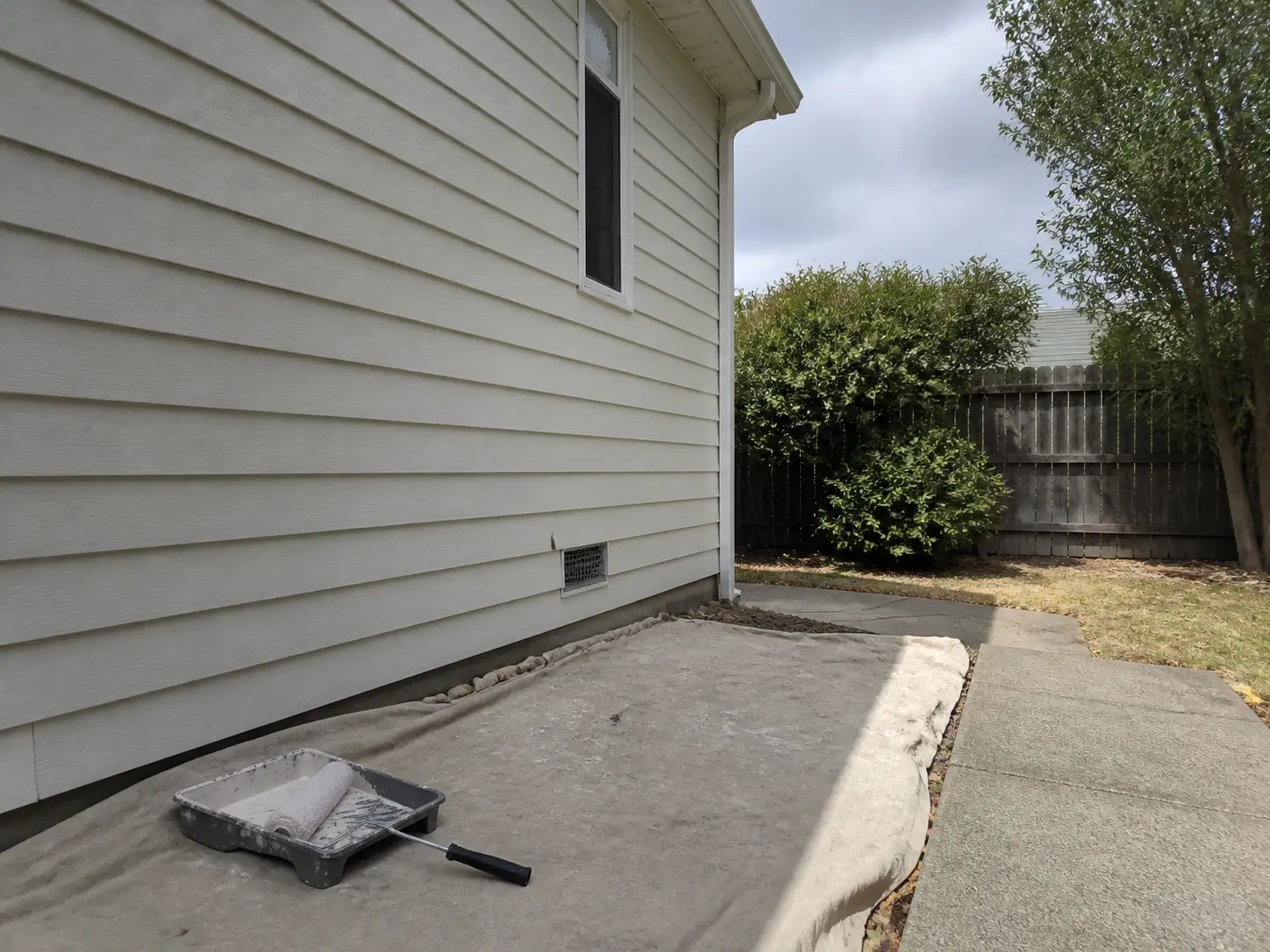
Direct sun can make vinyl much hotter than the air around it. Paint may dry too quickly on a hot panel, leaving weak adhesion or visible lap marks. Cool, damp conditions create a different problem because the coating may not cure as designed.
Follow the temperature and humidity limits on the product data sheet. Benjamin Moore advises against painting vinyl in direct sunlight or when the surface is hot to the touch. Work around the house with the shade when possible. Check the overnight forecast too, since falling temperatures and dew can affect fresh exterior paint even after the crew packs up.
On a Bay Area home, each side of the house can behave differently. A sunny west wall may be too hot while the shaded side is ready. Our guide to the best time of year to paint a house in the Bay Area covers local planning in more detail.
How long does paint last on vinyl siding?
Paint does not age on a fixed schedule. Sun exposure, color, coating quality, prep, installation, and maintenance all change its service life. South- and west-facing walls usually take more heat and ultraviolet exposure. Sprinklers, coastal air, shade, and nearby trees can create uneven wear on other elevations.
Watch the surface rather than the calendar. Fading alone may be cosmetic. Peeling, bubbling, cracking paint, or panels beginning to distort point to a coating, moisture, heat, or installation problem that should be diagnosed before another coat goes on.
Gentle cleaning helps the finish stay presentable. Avoid harsh solvents and high pressure. If one elevation ages much faster than the rest, find out why before repainting the entire house.
Is painting vinyl siding a DIY project?
It can be, especially on a one-story home with siding in good condition. The job gets harder fast when there are steep grades, two-story walls, extensive masking, repairs, or a major color change.
The biggest DIY risks are not brush marks. They are an incompatible color, poor cleaning, water behind the siding, or paint applied in direct sun. Overspray is another concern near neighboring homes, cars, roofing, and landscaping.
If the siding is sound and you already have safe access and exterior painting experience, a small test section can tell you a lot. If the house needs repairs or you want a darker color, get the siding and coating system checked before buying paint for the whole exterior.
FAQ
Can all vinyl siding be painted?
Many vinyl siding products can be painted, but not every manufacturer treats painting the same way. Check the siding warranty and confirm that the coating lists vinyl as an approved surface. Damaged, brittle, or badly warped siding should be repaired or replaced rather than covered.
Do I need to sand vinyl siding before painting?
Usually not. Vinyl needs thorough cleaning and a dry surface more than sanding. Aggressive sanding can scratch or damage the panels. Follow the paint manufacturer’s prep directions if the siding has an unusual coating or previous paint layer.
Does vinyl siding need primer?
Sound vinyl often does not need primer when you use a compatible self-priming acrylic exterior paint. Pitted, porous, repaired, or stained areas may need a primer recommended for the topcoat.
Can I pressure wash vinyl siding before painting?
Yes, with care. Keep the pressure moderate, aim downward, and avoid forcing water behind seams and openings. Rinse away cleaner and let the siding dry fully before painting.
Is it cheaper to paint or replace vinyl siding?
Painting usually costs less when the existing siding is still sound. Replacement may offer better value when panels are brittle, warped, leaking, poorly installed, or damaged across large sections of the house.
Final thoughts
So, can you paint vinyl siding? Yes, and the result can look fresh when the siding is in good shape. The job depends on four choices: confirming the panels are sound, cleaning them properly, using a vinyl-approved acrylic coating, and choosing a color that will not overheat the material.
If you are weighing paint against replacement or are unsure about a darker color, our exterior painting team can inspect the siding and help choose a coating system. A little diagnosis up front is cheaper than dealing with warped panels later.