Color gets most of the attention when people plan an interior paint job. Finish usually gets picked at the counter, often with a quick guess between eggshell and satin. That small choice changes how the color looks, how much wall texture you notice, and how easily marks wipe away.
The best paint finish for walls depends on the room. Eggshell is a safe choice for many living spaces, satin handles busy or damp rooms better, and flat or matte can make imperfect walls look smoother. Premium paints complicate the old rules because some low-sheen formulas are now made for regular cleaning.
What does paint finish mean?
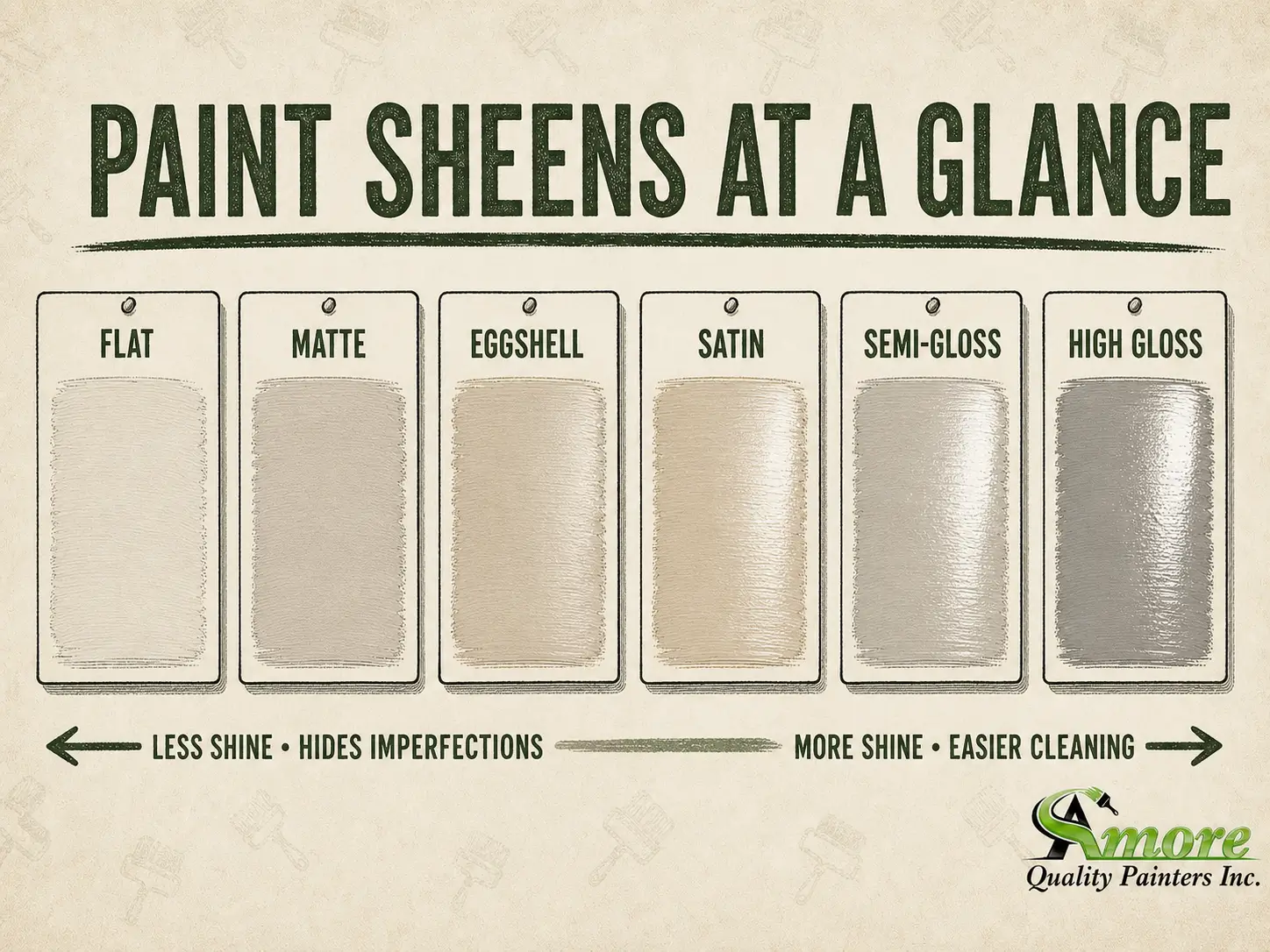
Paint finish, also called sheen, describes how much light the dry paint reflects. Flat sits at the low end. High gloss sits at the shiny end, with matte, eggshell, satin, and semi-gloss between them.
As sheen rises, paint generally becomes easier to clean and more resistant to everyday wear. The tradeoff is that reflected light makes dents, patches, roller marks, and uneven drywall easier to see. The Sherwin-Williams paint sheen guide recommends choosing by room use, wall condition, and the amount of cleaning the surface will need.
Product matters too. An older rule might say flat paint is hard to wash, but some newer flat and matte products are made for regular cleaning. Read the label for the exact paint line rather than judging it by the sheen name alone.
Paint sheens at a glance
| Finish | How it looks | Where it usually works best | Main drawback |
|---|---|---|---|
| Flat | Almost no reflection | Ceilings, low-traffic bedrooms, textured or patched walls | Marks more easily in basic formulas |
| Matte | Soft, low reflection | Bedrooms, living rooms, dining rooms | Less scrub-friendly than higher sheens in many product lines |
| Eggshell | Subtle glow | Living rooms, dining rooms, offices, adult bedrooms | Can struggle in very wet or heavily used rooms |
| Satin | Noticeable but soft shine | Kitchens, bathrooms, hallways, kids’ rooms | Shows more wall flaws and application marks |
| Semi-gloss | Bright, reflective surface | Trim, doors, cabinets, utility areas | Usually looks too shiny on broad walls and exposes flaws |
| High gloss | Hard, mirror-like shine | Statement doors, detailed trim, furniture | Demands very smooth prep and careful application |
Do not trust the names alone. Sheen labels can shift slightly between brands and product lines, so compare samples from the paint you plan to buy.
Best paint finish for walls in each room
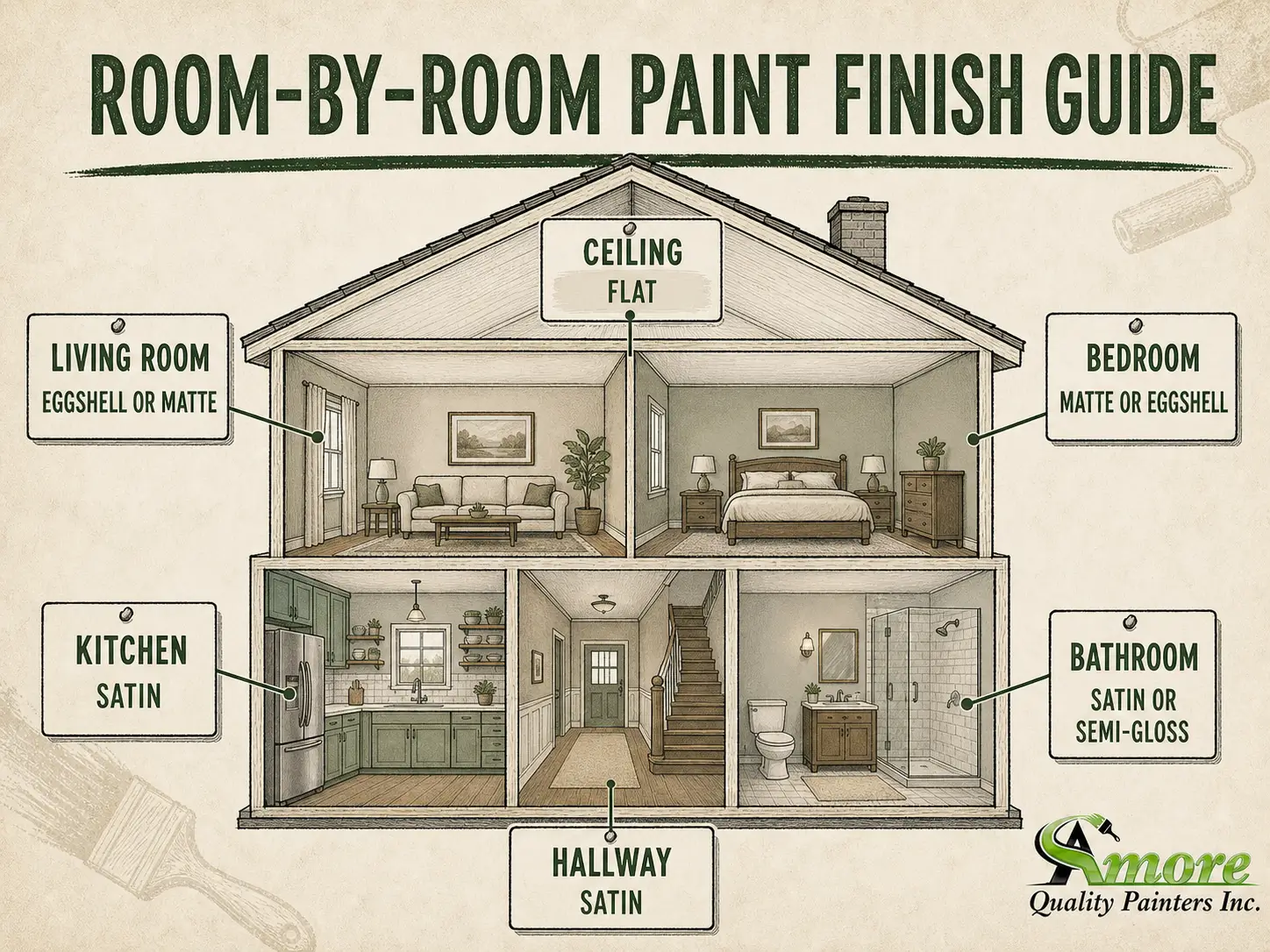
Living room: eggshell or matte
Eggshell works well in most living rooms because it has enough durability for occasional cleaning without turning the walls shiny. It gives color a little depth, yet it does not call attention to every bump in the drywall.
Matte is a good alternative when the room has lots of natural light or older walls with visible patches and texture. The softer reflection keeps those flaws quieter. If the living room doubles as a play area or the family has pets, a washable matte or eggshell is a better bet than a basic flat paint.
Bedroom: matte, eggshell, or washable flat
Adult bedrooms are usually low-traffic spaces, so appearance can lead the decision. Matte and flat finishes create a calm, soft look and help disguise minor surface flaws. Eggshell makes sense if you want easier cleaning or expect the room to change uses later.
For a child’s bedroom, move up to eggshell or satin. Fingerprints, scuffs, and mystery marks happen. A finish that can handle a damp cloth saves frustration.
Kitchen: satin
Kitchen walls deal with splashes, grease, steam, and frequent wiping. Satin is usually the sweet spot. It is easier to clean than eggshell but does not have the sharp glare of semi-gloss across a large wall.
Semi-gloss still makes sense for trim, doors, and some backsplashes. On the main walls, though, it can feel harsh and may exaggerate drywall seams. The Behr interior sheen guide places satin in moderate to high-traffic areas and rooms exposed to moisture, including kitchens and baths.
Bathroom: satin or semi-gloss
Bathrooms need a finish made to tolerate moisture and cleaning. Satin is a comfortable choice for most bathroom walls. It has enough sheen to wipe down easily without making the room feel glossy.
Semi-gloss can be useful in a small bathroom with weak ventilation, around trim, or in spots that get touched and cleaned often. Still, sheen alone cannot solve a moisture problem. Use a paint formulated for bathrooms and run the exhaust fan during and after showers.
Dining room: eggshell or matte
Dining rooms tend to see less abuse than kitchens and hallways. Eggshell gives the walls a slight glow that works nicely in evening light. Matte is better when you want a quieter finish or need to soften an uneven wall.
If the room has wainscoting, try eggshell on the upper walls and satin or semi-gloss on the millwork. The slight sheen change adds definition even when both surfaces use the same color.
Hallway and entry: satin
Hallways collect handprints, bag scuffs, shoe marks, and the occasional scrape from furniture. Satin handles that traffic better than a low-sheen finish and is easier to wipe clean.
Good prep matters here. Hallway lighting often runs along the wall instead of straight toward it, so it can expose ridges, repairs, and rough patches. Sand and prime repairs before painting. A higher sheen over rushed prep will make the problem more obvious.
Laundry room and mudroom: satin
These rooms take more wear than their size suggests. Satin stands up better to damp clothes, baskets, muddy hands, and regular wiping. Semi-gloss is useful on trim, doors, and built-in storage, but satin usually looks better across the walls.
Ceiling: flat
Flat remains the standard ceiling finish because it absorbs light and hides small surface variations. That matters on ceilings, where light from windows and fixtures can make roller lines surprisingly visible.
Bathrooms and kitchens may need a ceiling paint rated for moisture. You can still find low-sheen products built for those conditions, so a glossy ceiling is rarely necessary.
When wall condition should change your choice
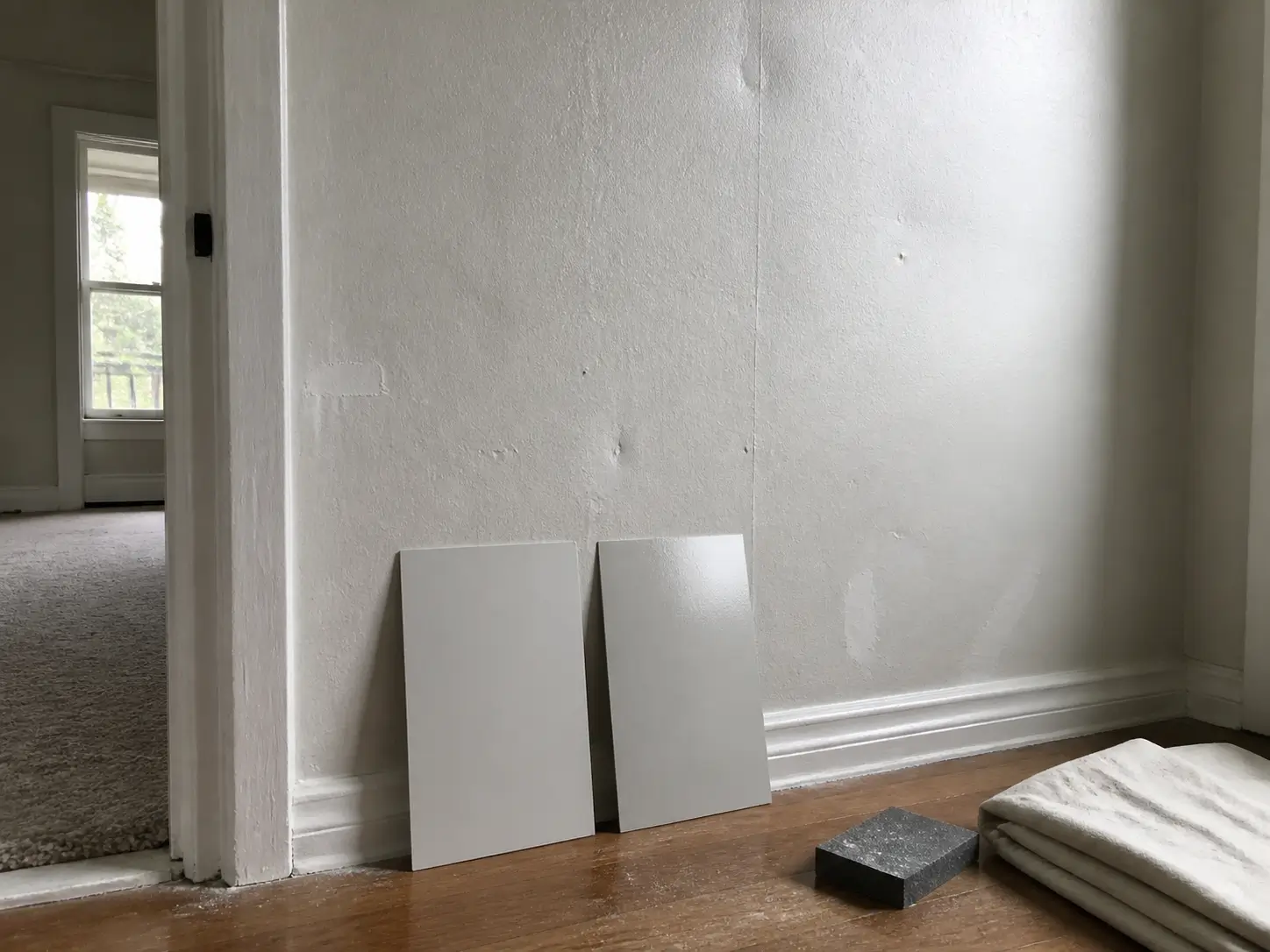
A perfectly smooth wall gives you freedom. An older wall with repairs, orange-peel texture, or uneven skim coating needs more care.
Higher sheens reflect more light and make surface changes stand out. If your walls have visible flaws, flat, matte, or low-luster eggshell will usually be more forgiving. Satin can still work, but the prep may take longer than the painting itself.
Look at the walls from the side with the lights on. That view reveals dents and ridges that disappear when you face the wall directly. Mark the trouble spots, patch them, sand the edges smooth, and prime repaired areas. If you would rather have the prep and finish handled together, our interior painting service covers the full process instead of treating paint as a quick cosmetic layer.
Why paint color looks different in another sheen
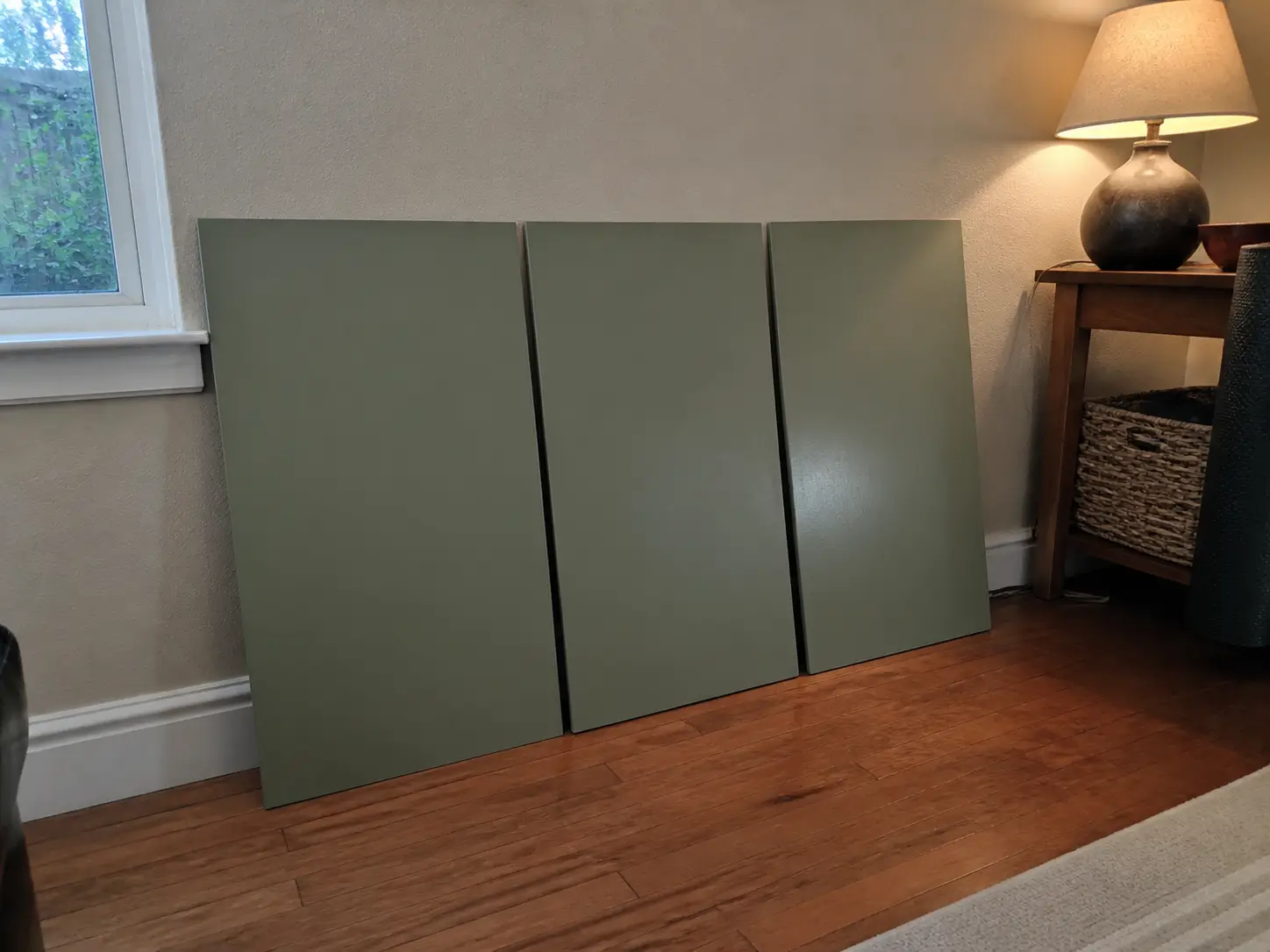
The same color can look richer or lighter when the sheen changes. Satin and semi-gloss reflect more light, so dark colors may appear more vivid and bright colors can feel sharper. Flat and matte absorb more light and often make a color look softer.
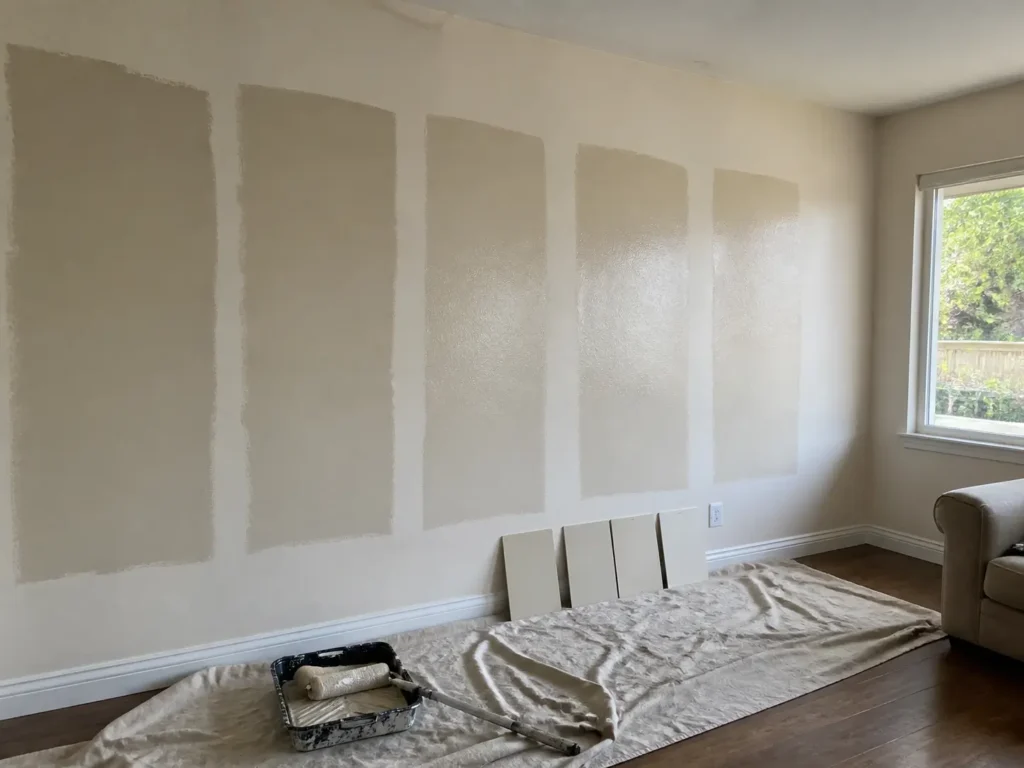
This is one reason a tiny color chip can mislead you. Test the actual paint and finish on a sample board, then move it around the room. Check it in morning sun, afternoon shade, and artificial light. A color you liked in matte may feel busier in satin.
Finish also helps separate surfaces. A common setup is eggshell on walls, flat on ceilings, and semi-gloss on trim. The small change in reflection gives the room cleaner edges without adding another color. If you are still deciding which coating belongs where, our guide to interior vs. exterior paint explains why the formula matters as much as the finish.
Common paint finish mistakes
Choosing sheen by shine alone is a mistake. A finish can look beautiful on a sample and become annoying if every mark needs special treatment.
Using semi-gloss across damaged walls because it sounds more durable can also backfire. It may clean well, but it will put the repairs on display. Better prep or a durable lower-sheen product usually gives a nicer result.
Do not assume every room needs a different paint. Many homes can use one quality eggshell on the living room, bedrooms, office, and dining room, then switch to satin in the kitchen, bathrooms, and hallways. Fewer products make touch-ups easier later.
Write down the brand, product line, color, and sheen. “Soft white eggshell” is not enough information when you need another quart two years from now.
FAQs
Is eggshell or satin better for walls?
Eggshell is better for many living rooms, dining rooms, offices, and adult bedrooms because it balances a soft look with reasonable washability. Satin is better for kitchens, bathrooms, hallways, kids’ rooms, and other spaces that need more cleaning.
What paint finish hides wall imperfections best?
Flat and matte hide imperfections best because they reflect the least light. Eggshell can also be forgiving. Satin, semi-gloss, and high gloss tend to expose dents, patches, and uneven texture.
Can I use the same paint finish in every room?
You can use eggshell across many dry living spaces, but busy or damp rooms usually benefit from satin. Ceilings are generally best in flat, while trim and doors often use semi-gloss.
Is matte paint washable?
Some matte paints are washable, especially premium products designed for busy homes. Others mark more easily. Check the cleaning and scrub-resistance claims for the exact product instead of relying only on the word “matte.”
Should walls and trim have the same finish?
They can, but most rooms look cleaner with a slight contrast. Eggshell walls paired with satin or semi-gloss trim create definition and give doors and baseboards a tougher, easier-to-clean surface.
Final thoughts
For most homes, the best paint finish for walls follows a simple pattern: eggshell or matte in quieter living spaces, satin where moisture or traffic is higher, and flat on ceilings. Semi-gloss belongs mainly on trim, doors, cabinets, and select high-use areas.
The room is only half the decision. Wall condition, lighting, ventilation, and the specific paint formula can push the answer one step flatter or shinier. Test a real sample before committing. If you want help pairing the right product and sheen with each room, our residential painting team can build that choice into the project from the start.